
R-002
When Did We Start Asking Permission?
I don't remember exactly when it happened, which is probably why it bothers me so much.
There was no announcement, no meeting, no moment where someone stood up and declared that creativity would now be measured, categorized, optimized, and ranked according to systems designed to maximize attention. Well, no meeting that we were invited to anyway. I'm sure there was some exclusive retreat attended by the shadier elements of the corporate oligarchy and their technocratic counterparts, held in a dark, smoke-filled room where everyone knew the secret handshake and someone in the corner was quietly dealing with the lingering side effects of kuru.
It happened quietly, slowly enough that most of us mistook adaptation for progress. One day you were making things because creating felt less like a choice and more like a primordial instinct living somewhere behind your ribs, and the next day you were wondering whether the idea ricocheting around your skull like a toddler who somehow multiclassed into a level 5 Dark Paladin of ADHD was worth bringing into the world if it wasn't going to feed the machine.
There was a time when creating felt closer to compulsion than strategy. You took photographs because you were afraid of forgetting. You wrote because there was an idea refusing to leave you alone. You started bands because your town was boring and nobody was making the noise you wanted to hear. You made zines because nobody was going to hand you a magazine column and you weren't interested in waiting for permission anyway. Most of it wasn't profitable. A lot of it wasn't particularly good. None of that mattered because the point wasn't efficiency or scale or reach. The point was making something that didn't exist before you made it. The idea was to be fucking rebelious and different. It wasn't rocket science.
The horror, we grew up and needed to pay bills and somewhere along the way we stopped asking ourselves what we wanted to say and started asking ourselves what would work. Before a photograph gets posted, a word gets written, or a project gets started, there's often another voice in the room asking questions that have nothing to do with the work itself. Will people like this? Will the algorithm push it? Is this too long? Too strange? Too niche? Is there a version of this idea that looks a little more like the things that have already succeeded? The question quietly shifted from "What do I want to make?" to "What version of this idea is most likely to survive the system?" Those are not the same question, and they don't lead to the same places.
The question becomes whether you're willing to create something new and accept the price that comes with it, the struggle, the failure, the discomfort of being early and different, knowing that if you succeed, others will eventually follow the path you cleared and imitate the very thing they once ignored. Or do you simply create what is already digestible to the machine, producing variations of ideas that have already been deemed safe, familiar, and worthy of reward?
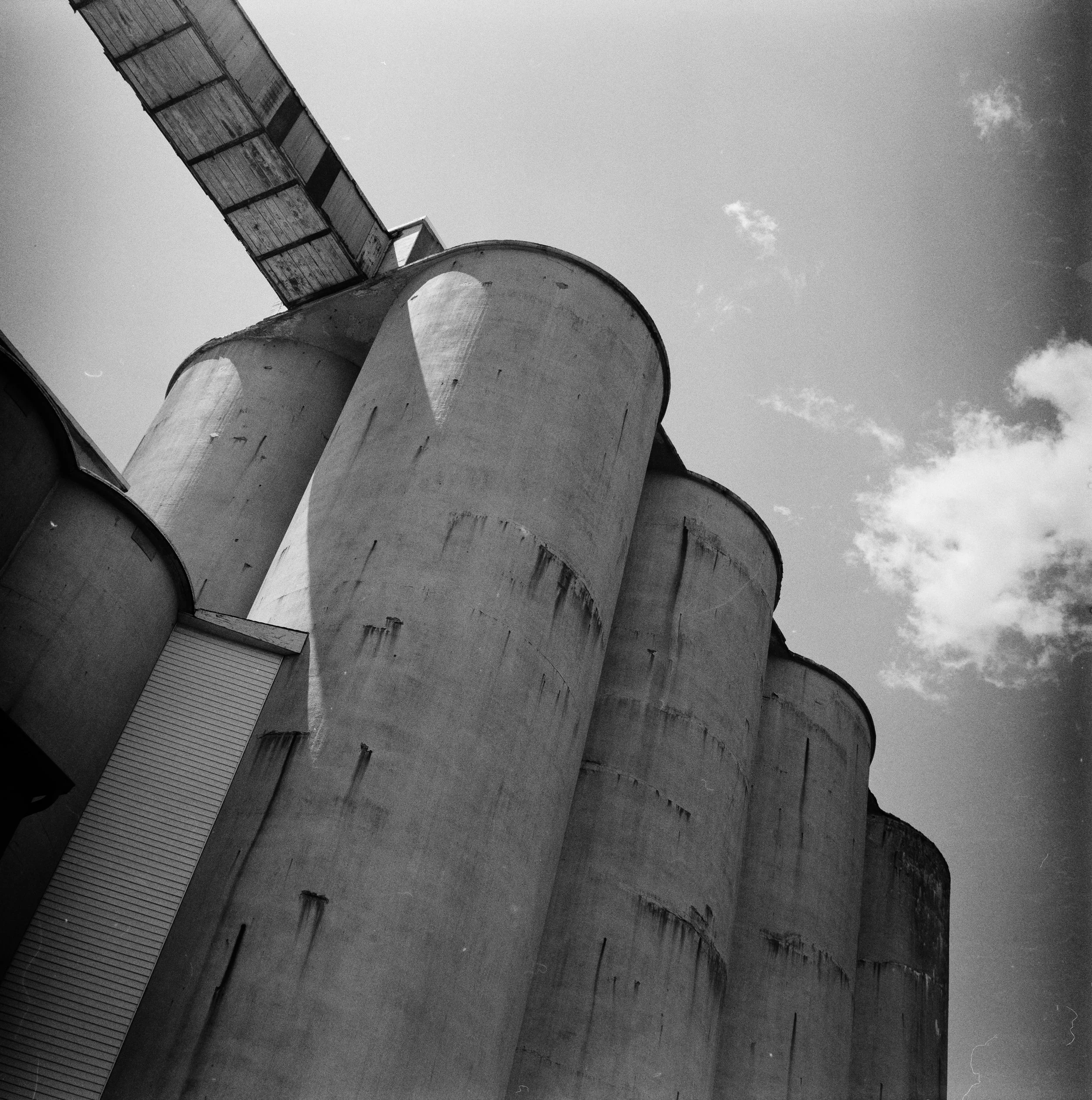
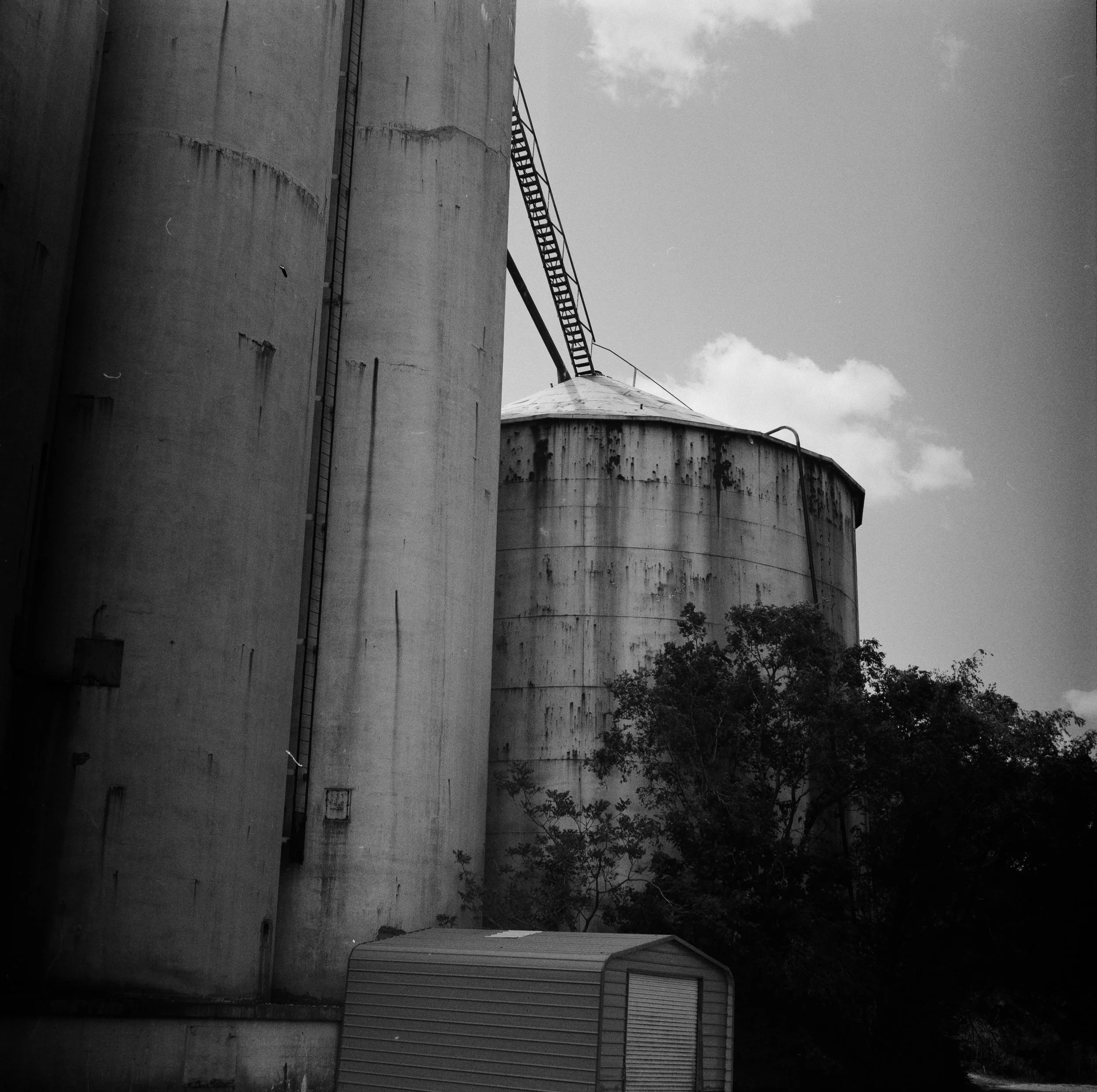
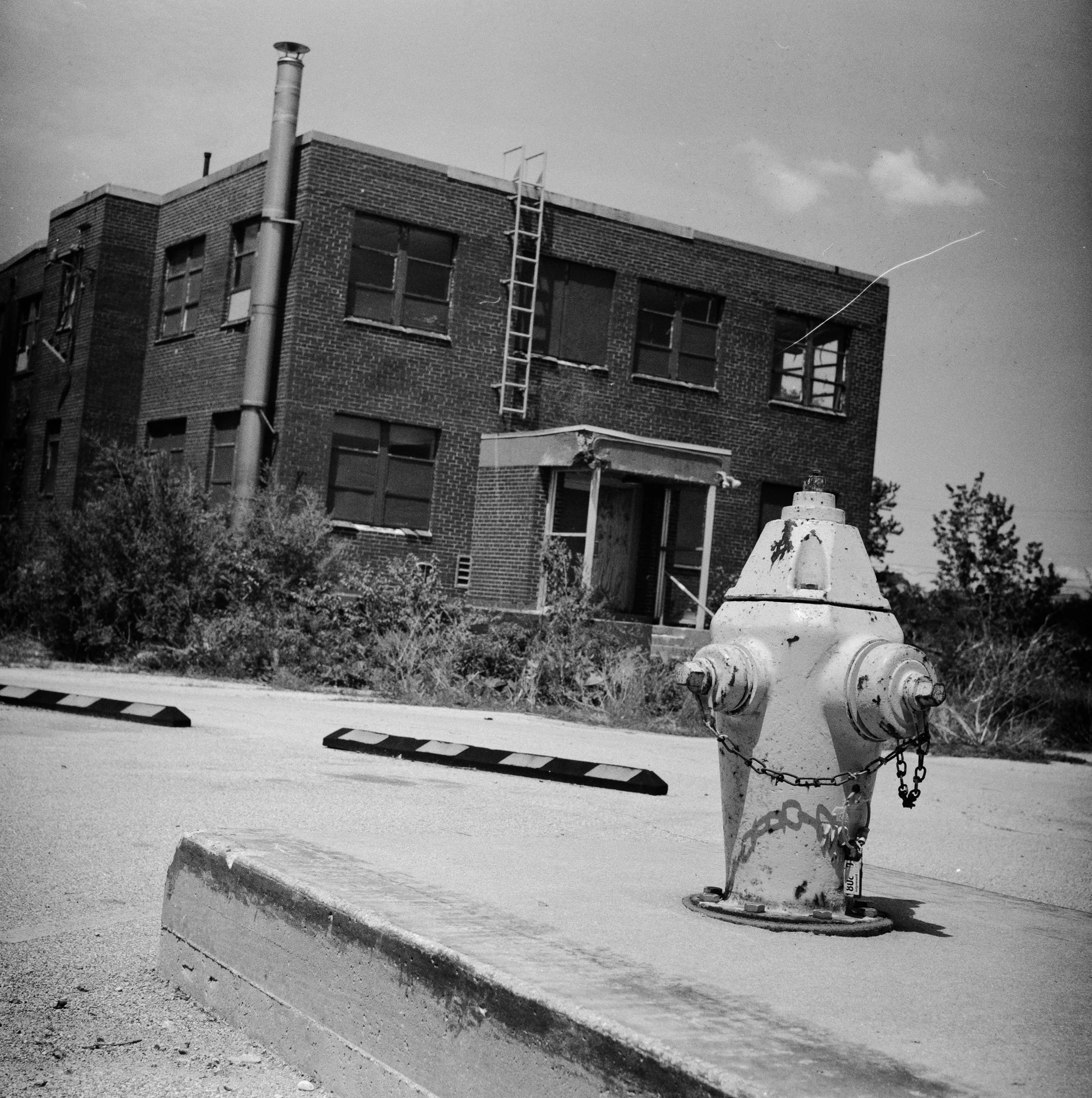
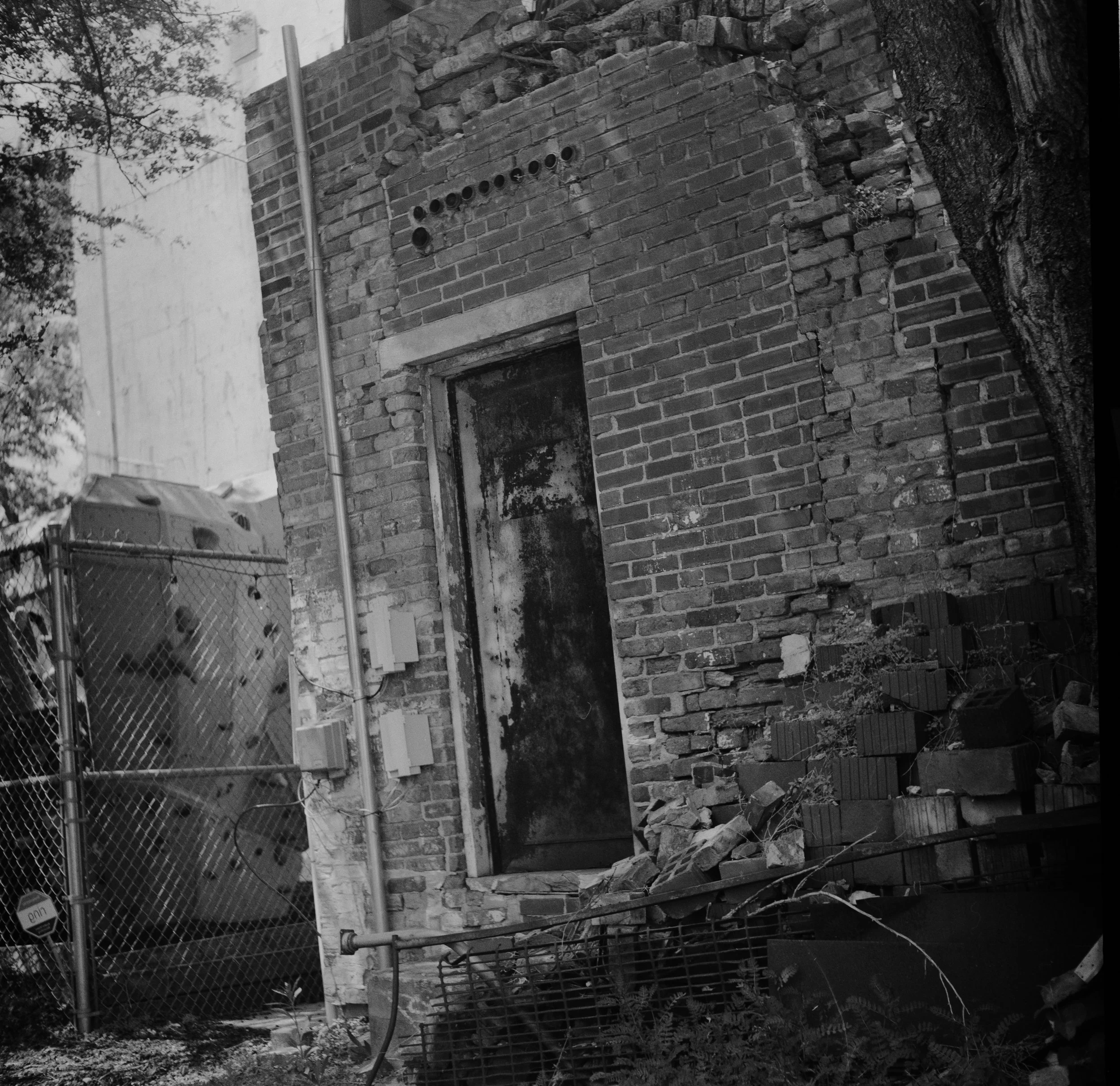
DUMPSTER FIRE OF CREATIVITY
The algorithm never had to tell anyone what to create because rewards are more effective than rules. Rules create resistance. Damn the Man! Rewards create compliance. The frog doesn't notice the water getting hotter because the change happens slowly enough to feel normal. That's the trick. Nobody panics when the temperature rises one degree at a time. Nobody sounds the alarm when the rules quietly shift, when the expectations change, when the things that used to feel ridiculous slowly become ordinary. The danger isn't the moment everything changes. The danger is how easily we adapt to the change while it's happening.
You throw ten ideas into the machine and one comes back carrying attention while the other nine disappear without a trace. Then comes the real psychological experiment: five likes and three unfollows later, you convince yourself the answer is obvious. Make more of the one that worked. Repeat the formula. Feed the machine what it already told you it wants.
Eventually, the system doesn't need to shape your behavior anymore because you've become incredibly efficient at shaping it yourself. Congratulations. You have successfully self censored.
The strange idea stays buried in the notebook. The risky idea gets sanded down until it can't offend anyone. The honest idea gets edited, polished, and rearranged until it looks familiar enough to survive the feed.
At some point, you stop showing people the finished work and start showing them the process of making the work because that's what the algorithm currently rewards. The behind-the-scenes photo. The making-of video. The carefully staged glimpse behind the curtain. Not because the process is more interesting, but because the machine has decided that watching someone create something is more valuable than actually seeing what they created.
And maybe that's the strangest part of all.
We went from creating art to creating proof that we are artists.
The algorithm doesn't always reward the work itself. Sometimes it rewards the packaging, the personality, the image, the performance surrounding the work. The machine isn't necessarily asking, "Is this good?" It's asking, "Will this keep people watching?"
Sorry, Maximus, but I'm not entertained.
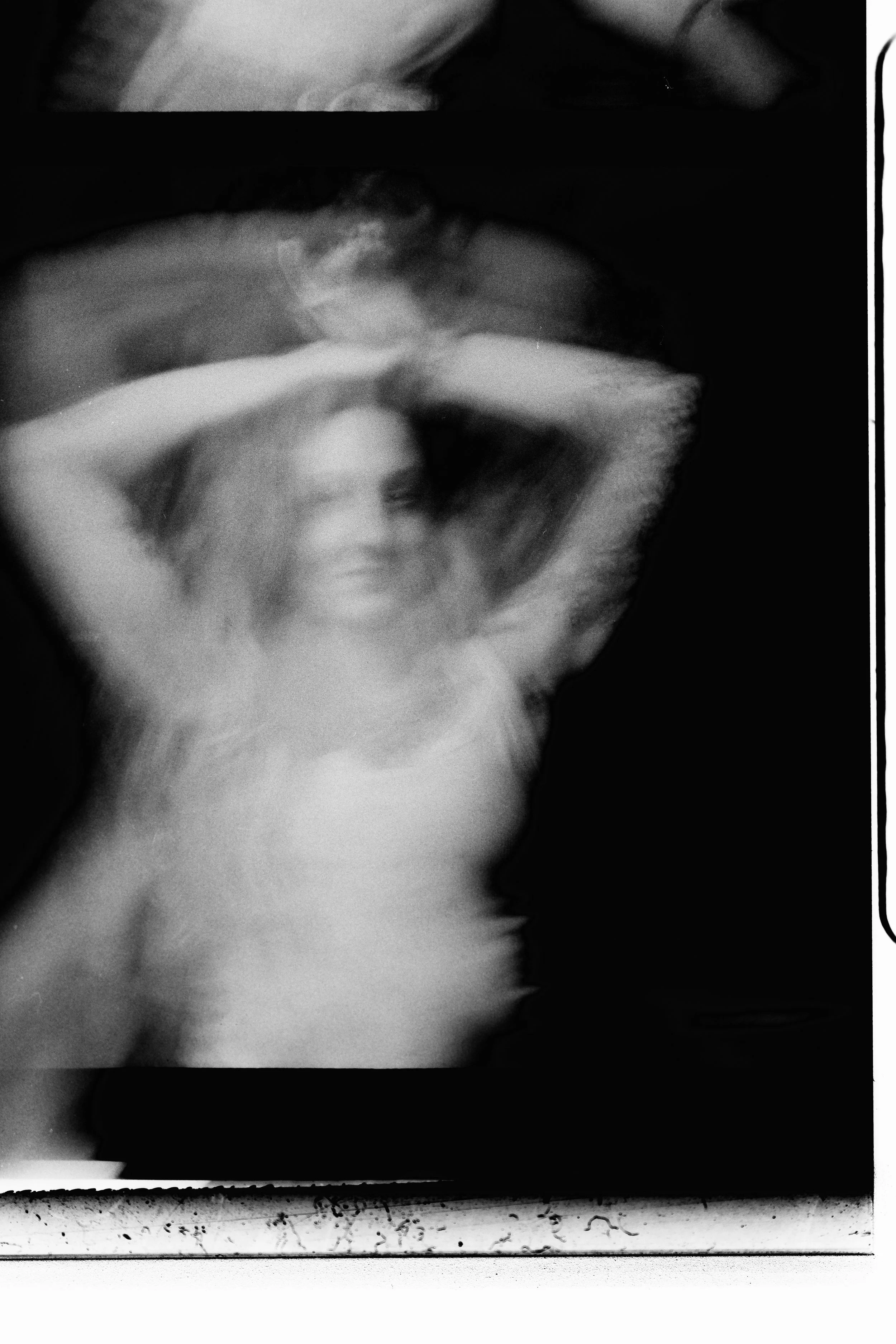
The algorithm doesn't care about the masterpiece sitting quietly in the corner. It cares about the version of you that gets the most clicks, the most attention, and the easiest reaction. The work becomes secondary to the performance of being the person who made the work. We don't care about your big tits and blonde hair Linda! Show me the fucking photograph.
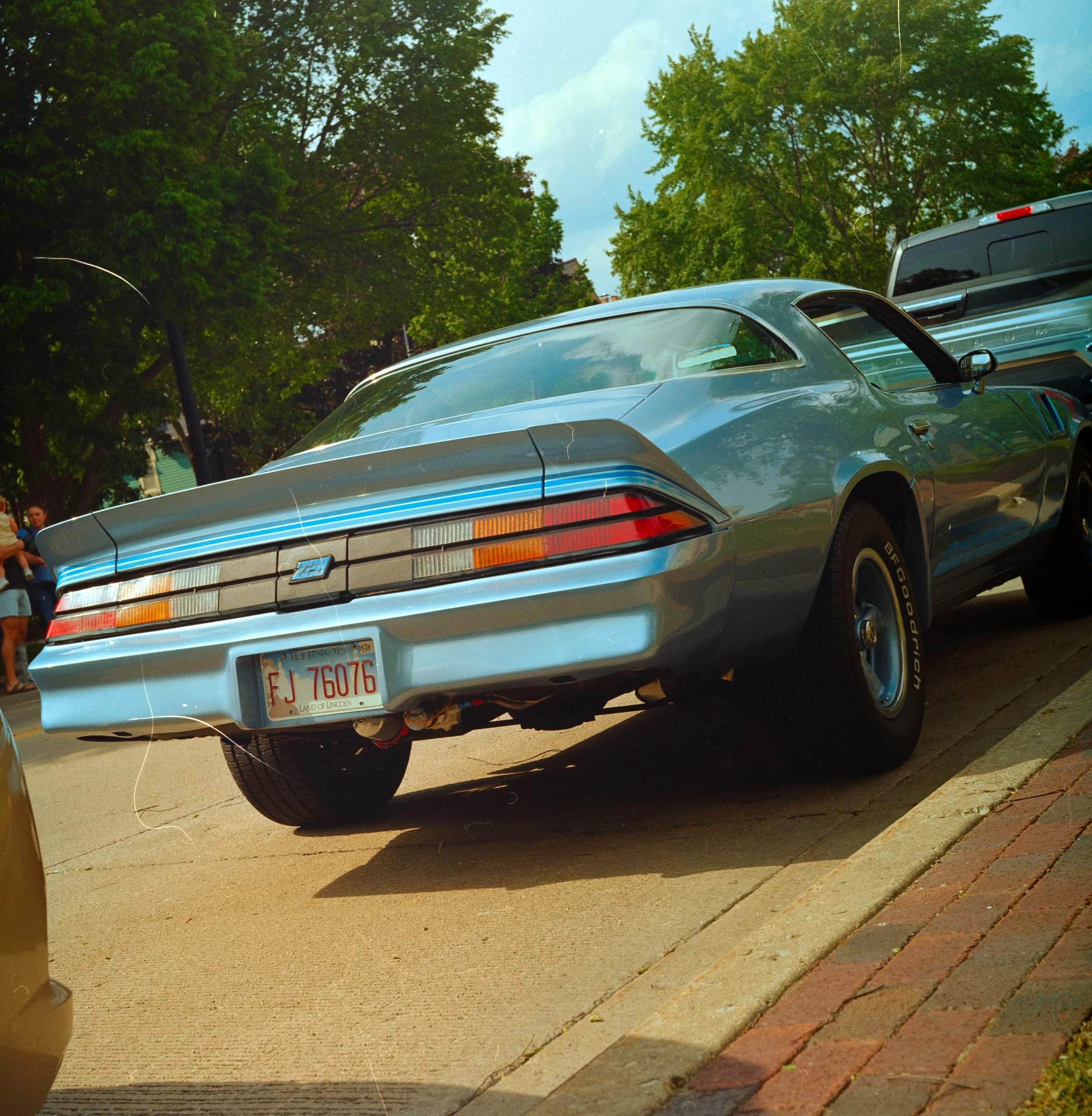
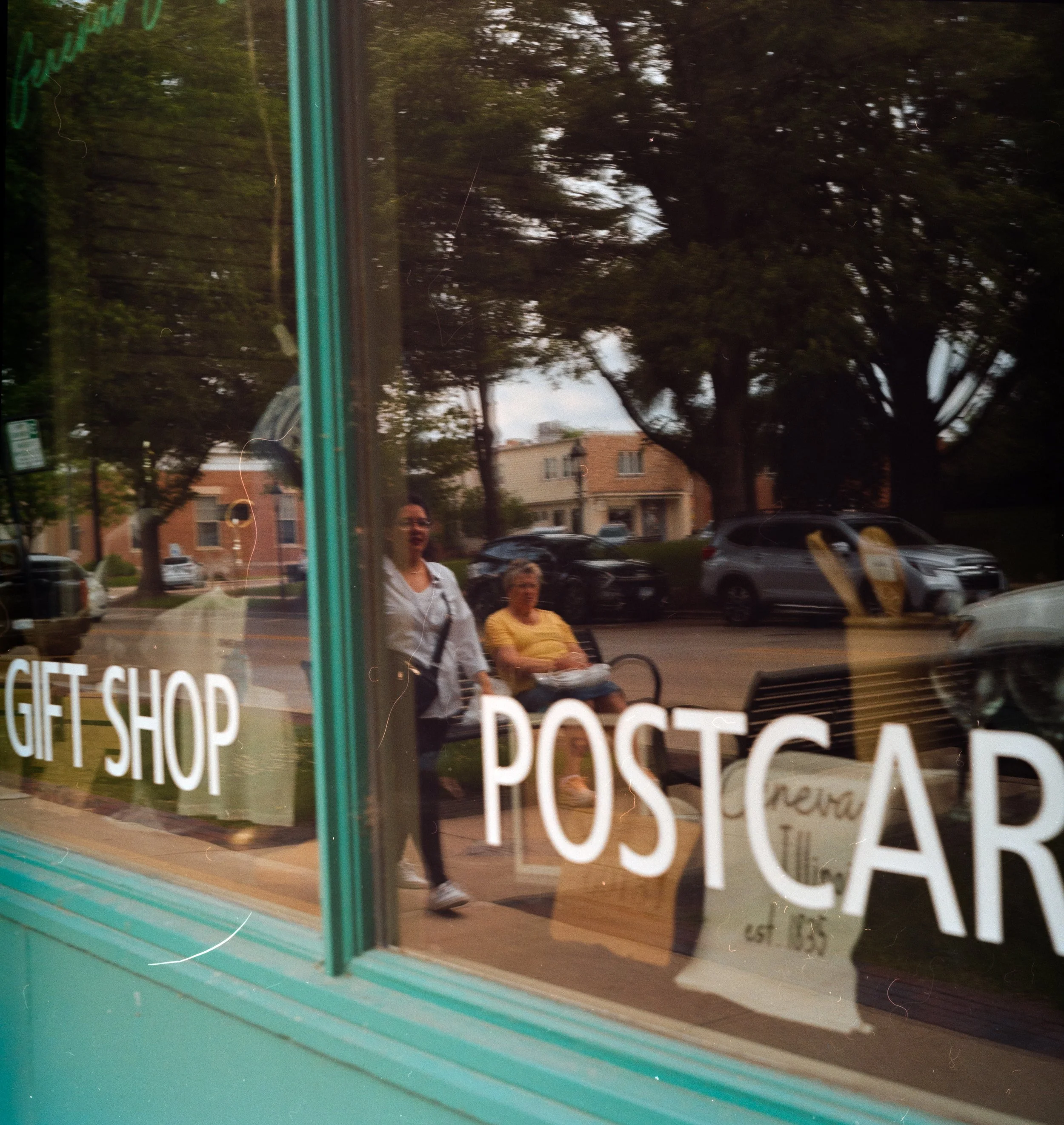
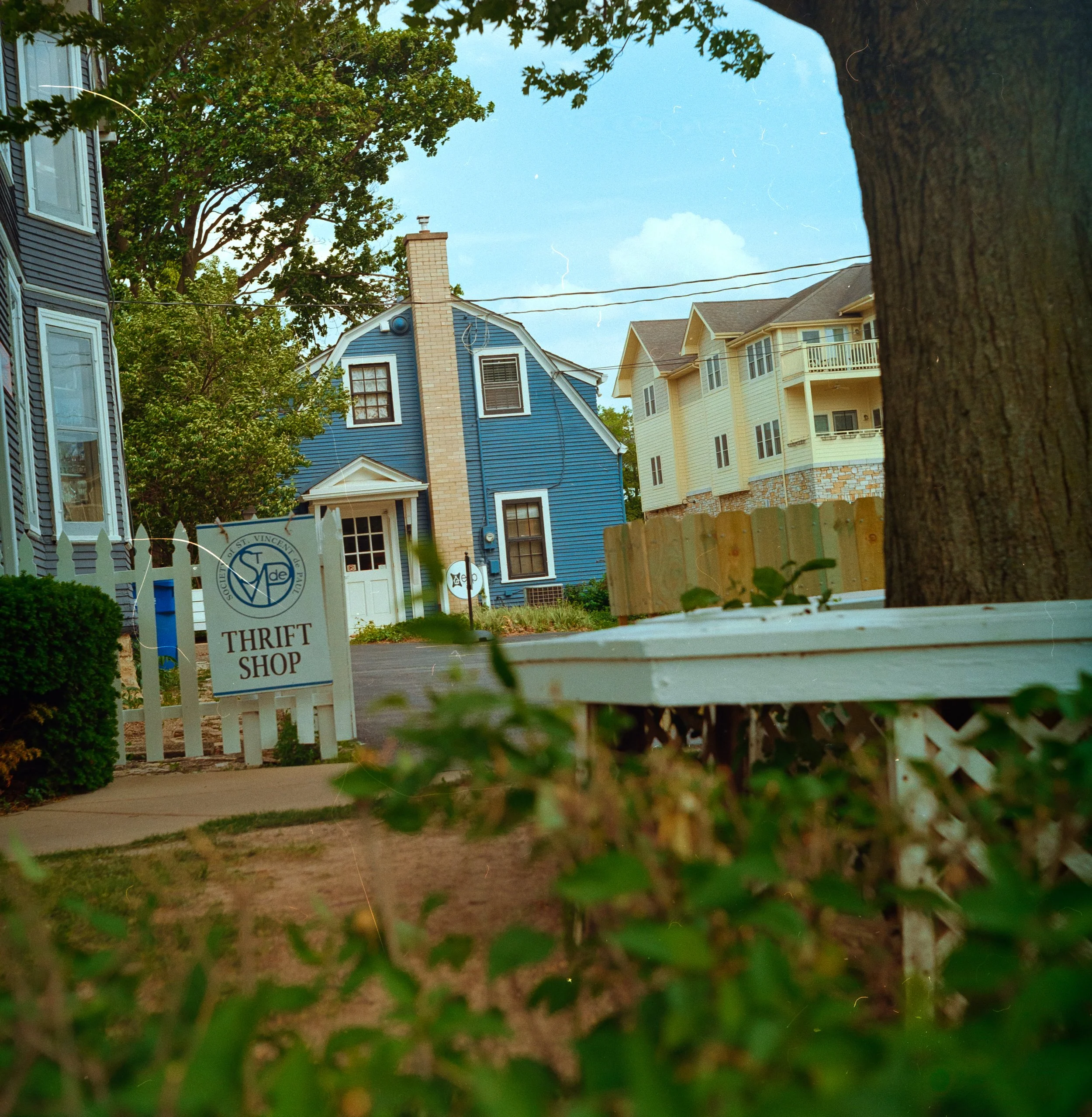
AI has entered the chat
AI didn't kill creativity. That would almost be too dramatic. Too easy. The truth is much more boring and much more dangerous.
AI just showed up at the same party the algorithm had already been throwing.
The algorithm tells you what people want to see. AI offers to make more of it. One system watches what gets attention, the other system helps you manufacture endless variations of it. Together, they create the perfect little factory where nobody has to risk having an original thought because the machine can tell you what worked yesterday and make you something that looks enough like it tomorrow. The danger isn't that AI will replace creativity. The danger is that it will make avoiding creativity feel productive.
Why spend six months chasing an idea that might fail when you can have a machine generate fifty safer versions before lunch? Why struggle through uncertainty when a prompt can give you something polished, familiar, and completely lacking in any reason to exist? And that's the uncomfortable part. The problem was never the tool. It turns spectators into gatekeepers, giving people who have never created anything the power to decide what deserves to exist.
Cameras didn't kill painting. Photoshop didn't kill photography. Sampling didn't kill music. Every new tool gets blamed by people who confuse the existence of a shortcut with the death of craftsmanship.
Tools aren't the problem. The problem starts when the tool becomes the audience, and the audience becomes the authority.
That's when everything changes. Creators stop exploring and start optimizing. Artists become analysts. Writers become engagement managers. Photographers become personal brands who occasionally take photos. Everyone starts studying the same trends, chasing the same numbers, and following the same invisible instructions from a machine that doesn't even know their name.
The algorithm isn't evil. AI isn't evil.They are almost worse than evil. They are indifferent. They dont give a shit about you or your creativity. Evil requires intent. These things don't hate creativity. They don't hate originality. They don't wake up wanting to destroy weird ideas or erase human expression. They just don't care.They don't care if something is honest. They don't care if something is meaningful. They don't care if something took ten years of failure, obsession, and sacrifice to create. They care if people stop scrolling.
That's it. Attention is the currency, and everything else becomes a secondary concern. The machine doesn't ask, "Is this important?" It asks, "Did people look at it long enough?" And somewhere along the way, we started asking the same question. Before we create anything, we wonder if it's worth creating. Not because the idea isn't good, but because we've already imagined the audience reaction before we've even finished making it.
Congratulations. You have become content about creating content.
Almost everything worth remembering started as something that looked ridiculous. Every breakthrough was somebody stubborn enough to continue after everyone else told them it wasn't going to work. Every original idea looked wrong before it looked obvious.
That's how originality works. It arrives before the approval. If everyone immediately understands it, shares it, and knows exactly where it belongs, there's a decent chance it isn't pushing anything very far. I didn't start creating because I wanted approval from a machine. I started because I had something I couldn't ignore. Because making things felt better than not making them. Because sometimes an idea shows up in your head and refuses to leave until you give it somewhere to live.
That's the part worth protecting. Not the metrics. Not the reach. Not the engagement. The instinct. The curiosity. The willingness to make something that might fail.
Because failure is still part of the process. Confusion is still part of the process. Making something that nobody understands yet is still part of the process.The goal isn't to reject AI or pretend algorithms don't exist. They're tools, and tools can be useful. The goal is remembering that tools are supposed to extend human creativity, not replace the part where creativity actually happens. Because the moment you only make what gets rewarded, you stop making what matters.
And the machine doesn't have to steal your imagination. You already optimized it away.
And in the end, the comforting part is, I know I will be famous after I'm dead… that’s usually how that works.